

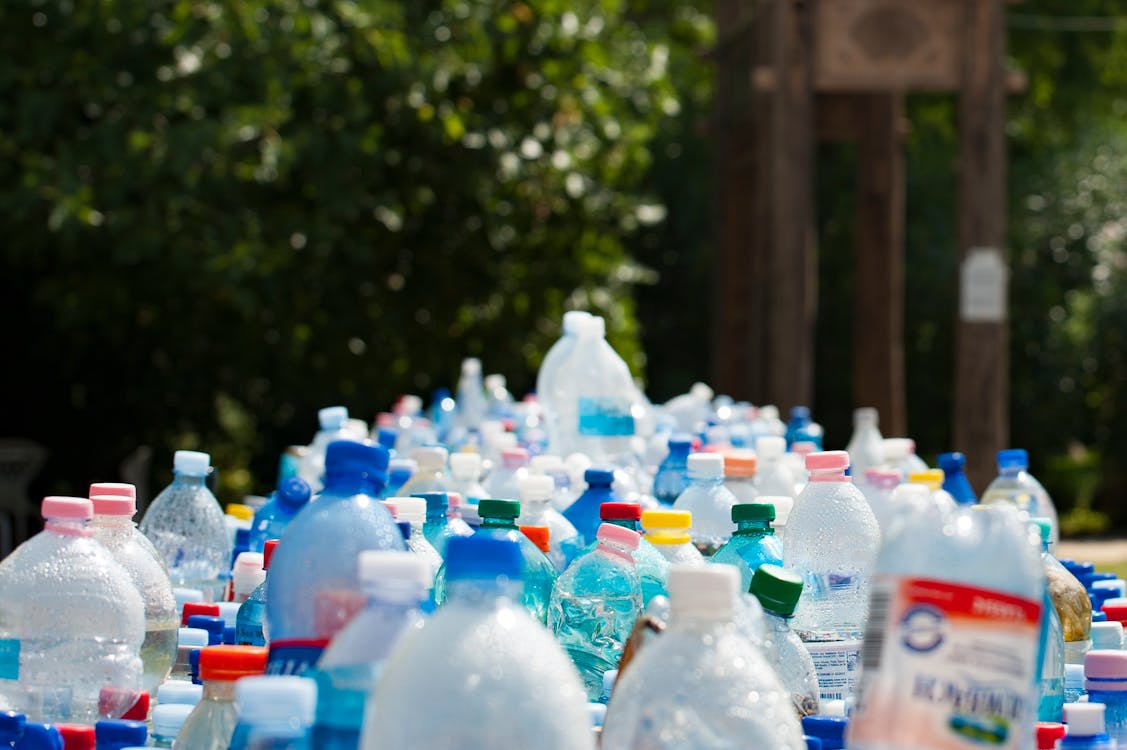
Banksam Trashure started from a simple observation: in Kecamatan Pelaihari, Kabupaten Tanah Laut, waste is everywhere — but so are people willing to collect it. The problem isn't supply or demand. It's the connection between them.
This post walks through how we designed and built a digital waste bank app that connects residents with local waste merchants, and what I learned about building consumer products for behavior change.
The waste problem in Pelaihari
In many parts of Pelaihari, waste management is inconsistent. Some areas have regular collection, but many don't. Disposal points are limited and unevenly distributed. For residents in more remote villages, the nearest waste bank might be far enough that disposing of waste properly becomes a chore rather than a habit.
The result is predictable: waste accumulates in unmanaged spots. It piles up near rivers, in empty lots, and along roads. The environmental impact is visible — polluted waterways, unsightly neighborhoods, and health risks from unmanaged waste.
But here's the thing: there are waste collectors in the area who actively want this waste. Organic waste collectors use it for freshwater fish farming and poultry feed. Inorganic waste collectors buy plastic, cardboard, and metal to sell to larger recyclers. The supply exists. The demand exists. What's missing is a convenient system connecting the two.
Designing for two sides
Banksam Trashure is a two-sided platform. On one side are residents who produce waste. On the other side are merchants who collect and process it. The app needs to serve both sides effectively.
The resident side
Residents need three things:
Convenience. The service must be easier than dumping waste in the nearest empty lot. If it's harder or more time-consuming than the alternative, behavior won't change.
Clarity. Users need to know what waste is accepted, where to bring it, and what they'll get in return. Ambiguity kills adoption.
Reward. There needs to be a tangible incentive. The promise of "helping the environment" isn't enough for most people — they need to see a direct benefit.
The merchant side
Merchants need:
Supply. They need a steady flow of waste to operate efficiently. Sporadic, unpredictable collections don't work for businesses that depend on volume.
Organization. They need waste sorted by type (organic vs. anorganic) to process it efficiently. Mixed waste is harder and more expensive to handle.
Reach. They need access to more residents than they can reach through their existing networks.
The dual service model
Banksam Trashure offers two services, each designed for different user needs:
Pick-Up
Users request waste collection at their location. They select the waste type (organic or anorganic), set their address on a map, and submit the request. A merchant receives the request, travels to the user, verifies and weighs the waste, and completes the transaction with a reward.
Pick-Up is designed for users who:
- Live far from waste banks or merchants
- Have large volumes of waste
- Don't have transportation
- Want the convenience of doorstep service
Drop-Off
Users browse nearby merchants, select one, and deliver waste directly. The merchant verifies, weighs, and rewards on the spot.
Drop-Off is designed for users who:
- Live near merchants or waste banks
- Want faster transactions
- Regularly deposit waste
- Are part of school or community collection programs
The dual model is important because one size doesn't fit all. A resident in a remote village has different needs than a school running a weekly collection program. Both should be able to use the platform.
The reward model
The reward system is what makes Banksam Trashure more than just a waste disposal app. It's the behavioral lever that turns waste management from a chore into an opportunity.
Anorganic waste: cash rewards
For anorganic waste (plastic bottles, cardboard, paper, cans, glass, metal), users receive cash. The amount depends on the type, weight, condition, and current market price of the material.
This model works because it mirrors the existing informal economy. Waste collectors have always bought anorganic waste from residents — the app just makes the connection easier and more transparent.
Organic waste: harvest-based rewards
For organic waste (food scraps, leaves, fruit peaks, kitchen waste), the reward model is different. Organic waste is used for freshwater fish farming and poultry cultivation. Users receive harvest-based rewards — fish, poultry products, or other benefits from the cultivation partners.
This model is more complex because the reward isn't immediate. The organic waste goes into a cultivation cycle, and the reward comes when the harvest is ready. It requires trust between the user and the processing partner.
Future reward expansion
The current reward system uses manual cash payments. This is intentional — at the launch stage, simplicity matters more than sophistication. The app tracks the transaction and the amount, but the actual payment happens in person.
Future phases will introduce:
- App-based digital wallet
- E-wallet integration (GoPay, OVO, Dana)
- Points and vouchers
- Loyalty programs
The key insight is that the reward model needs to evolve with user trust. Starting with cash builds confidence. Digital rewards come later, once users trust the platform.
The feature set
The app has 11 core features, organized into four categories:
Getting started
- Login and registration with email, password, and Google Sign-In
- Home dashboard with greeting, campaign banners, and quick access to services
Core services
- Pick-Up service with waste type selection, address setting, and request submission
- Drop-Off service with merchant browsing, location viewing, and delivery flow
- Merchant directory with map-based discovery, contact info, and waste type details
Tracking and notifications
- Order tracking with status updates: waiting, processing, pickup, completed
- Push notifications for order status changes and merchant activity
Education and profile
- Educational articles about environment, health, and waste management
- User profile with account settings, address management, and privacy controls
The feature set is deliberately focused. At launch, we prioritized the features that directly support the core transaction flow — finding a merchant, submitting waste, and receiving a reward. Features like photo upload, price estimation, and chat are planned for later phases.
The technology stack
The app is built with:
- Flutter for the mobile frontend — cross-platform support for Android and iOS
- Laravel for the backend — REST API server on a local VPS
- OpenStreetMap for location features — merchant discovery and pickup address selection
- Firebase Messaging for push notifications
- Crashlytics for stability monitoring
The stack was chosen for practicality. Laravel is widely used in Indonesian development environments, which makes maintenance and handoff easier. Flutter provides cross-platform support without the complexity of maintaining two codebases. OpenStreetMap is free and works well for location-based features.
What I learned
Building Banksam Trashure taught me several things about consumer products for behavior change:
The reward model is the product. People don't download waste management apps because they love recycling. They download them because they want the reward. The environmental benefit is a side effect, not the primary motivation. Designing the reward model — making it feel fair, transparent, and valuable — is the most important product decision.
Two-sided platforms need two-sided thinking. The resident experience and the merchant experience are different products. Residents need simplicity and convenience. Merchants need efficiency and supply. The app needs to serve both without compromising either.
Start with cash, build trust later. Digital rewards are more efficient, but they require trust. At launch, cash payments build confidence. Users need to see that the system works before they'll trust it with digital balances.
Location features add complexity but are essential. For a pickup-based service, accurate location is critical. If the merchant can't find the user, the transaction fails. OpenStreetMap provides the location infrastructure, but the UX around address selection, map display, and location confirmation needs careful design.
Education is a long game. The educational articles won't change behavior overnight. But they build awareness over time. The app isn't just a transaction platform — it's a tool for building new habits. Education is part of that.
What's next
Banksam Trashure is in active development. The current phase focuses on validating the core Pick-Up and Drop-Off flows with real users and merchants.
Future phases will add:
- Photo upload for waste verification
- Price estimation before submission
- Chat between users and merchants
- Merchant ratings and reviews
- Digital wallet and points system
- Admin and merchant dashboards
- Environmental impact reports
The goal is to build a platform that makes waste management easy, economically valuable, and environmentally impactful — turning a local problem into a local opportunity.
"Ubah Sampah Jadi Berkah" — Turn waste into blessings.